Practical Steps to Prolong Your Roof's Service Life
A roof is one of the most durable parts of a house, but it does not last forever without attention. The difference between a roof that serves for decades and one that fails early often comes down to simple, repeated actions. This article walks through the key steps that help extend the useful life of a roof, with practical details on what to look for and what to avoid at each stage.
Start with a Visual Inspection from the Ground
Before climbing any ladder, begin with a careful look from the ground. Use binoculars to scan the roof surface for obvious problems. Curled or missing shingles, visible gaps around vents or chimneys, and dark patches that suggest moisture are all signs that need attention. This ground-level check is safe and can be done every few months. It gives a broad sense of the roof's condition without putting anyone at risk. Write down what you see and note the areas that look most worn. This record becomes useful when comparing conditions over time.
Clear Gutters and Downspouts Regularly
Blocked gutters are a leading cause of water damage at the roof edge. When leaves, twigs, and debris pile up, rainwater cannot drain away. It backs up under the shingles and soaks the roof deck, the fascia boards, and sometimes the interior walls. Cleaning gutters twice a year, once in late spring and again in late autumn, prevents this. While clearing, check that downspouts are free of blockage and that water flows away from the foundation. A simple flush with a garden hose can reveal hidden clogs. If water spills over the gutter during a storm, the system is not working properly. Keep an eye on the ground below the downspouts after heavy rain to confirm drainage is working.
Inspect Flashing and Sealant Points
Flashing is the metal or rubber material installed around chimneys, skylights, vents, and where the roof meets a wall. These are the most vulnerable spots on any roof. Over time, sealant dries out, cracks, and pulls away from the surface. Loose flashing allows water to enter the roof assembly, leading to rot and interior leaks. At least once a year, examine every penetration point. Look for gaps, rust, or separation from the roof surface. If the sealant feels brittle or shows cracks, it should be replaced. Do not wait for a leak to appear. The cost of resealing a few joints is far lower than the cost of repairing water damage inside the house.
Pay special attention to the areas where flashing meets the roof surface. These joints expand and contract with temperature changes, which stresses the sealant. A high-quality polyurethane or silicone sealant lasts several years, but exposure to sun and rain eventually breaks it down. Checking these points every spring and autumn is a small effort that prevents big problems.
Watch for Moss, Algae, and Organic Growth
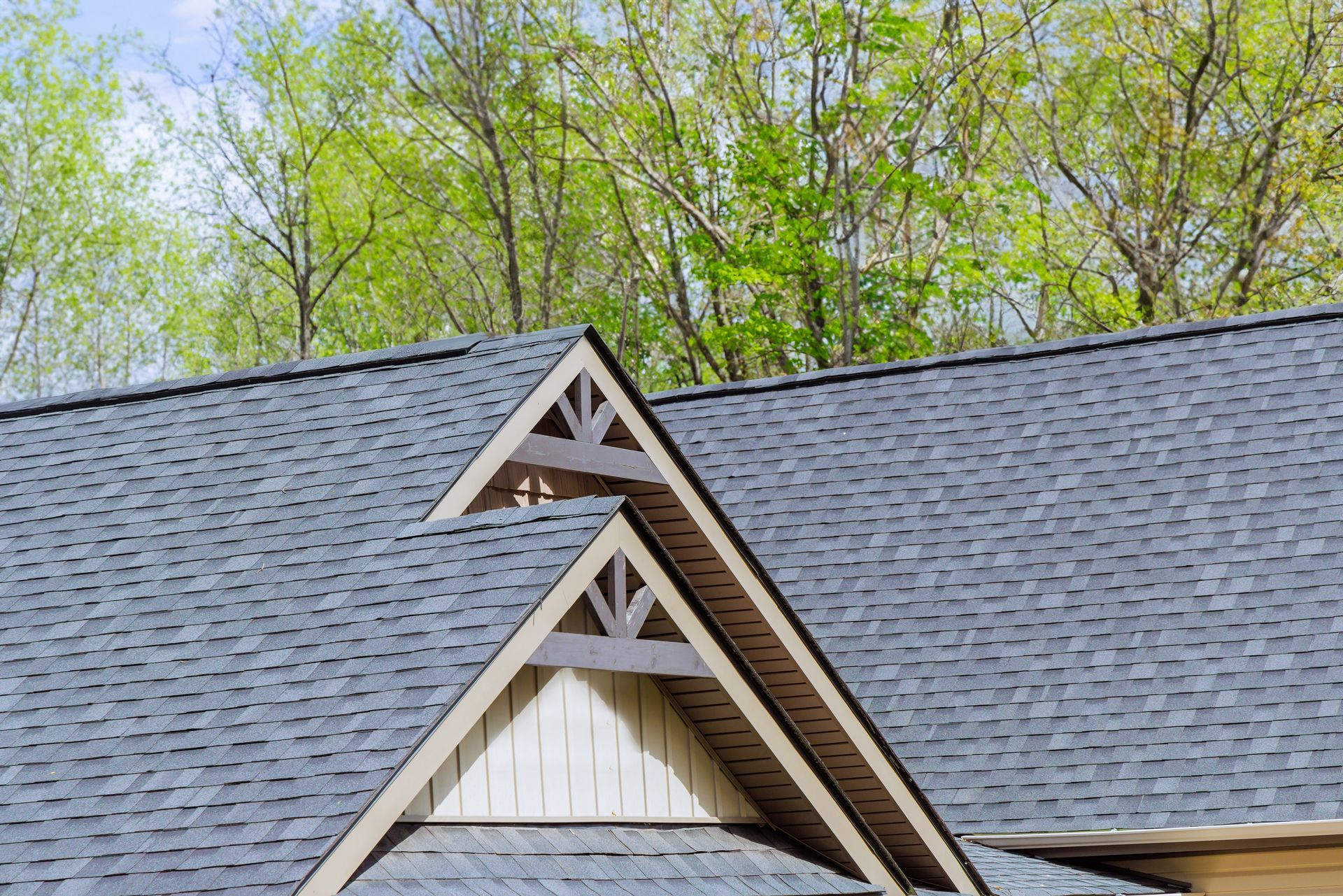
Moss growth and algae staining are more than cosmetic issues. Moss holds moisture against the roof surface, which accelerates the breakdown of asphalt shingles and can lift the edges of tiles. Algae stains indicate dampness that may already be compromising the material. In humid climates or on shaded roof slopes, moss can appear within a season. If you see green patches or dark streaks, address them early. A soft brush and a solution of water and mild detergent can remove surface growth. Avoid pressure washers, which often force water under the shingles and damage the roof. For persistent moss, zinc or copper strips installed near the ridge can inhibit growth over time. Keeping overhanging tree branches trimmed reduces shade and leaf debris, which in turn reduces the conditions that moss and algae need to thrive.
Check for Debris in Valleys and around Vents
Roof valleys are the internal corners where two roof planes meet. They channel a large volume of water during rain. A blocked valley can cause water to back up under the shingles and into the attic. Leaves, pine needles, and twigs collect in these channels, especially if trees overhang the roof. After a storm or wind event, it is wise to check the valleys for accumulated debris. The same goes for roof vents, plumbing stacks, and attic fans. Any obstruction that prevents water from flowing freely creates a risk. A simple inspection after heavy weather can catch a blocked valley before it causes damage. Use a sturdy ladder and a leaf blower or a gloved hand to clear the debris. If the valley is metal, check for rust or corrosion, which can weaken the channel over time.
Inspect the Roof Surface for Granule Loss and Cracking
Asphalt shingles are coated with granules that protect them from UV radiation. Over many years, these granules wear away, especially on south-facing slopes that receive the most sun. When you see bare spots, the underlying asphalt is exposed and will deteriorate faster. Cracking, curling, or blistering are signs that the shingles are nearing the end of their life. On tile roofs, check for cracked or displaced tiles. On metal roofs, look for rust spots, loose fasteners, and signs of corrosion at the seams. Catching these issues early allows you to replace individual shingles or tiles rather than the entire roof. Small repairs performed promptly can add years to the roof's service life.
Maintain Proper Roof Drainage
Water that sits on a roof is the enemy of longevity. Proper roof drainage depends on the slope, the condition of the gutters, and the design of the roof itself. If water pools in low spots after a rain, those areas will wear out first. Sometimes the issue is a sagging roof deck, sometimes it is a gutter that sags and holds water. In either case, standing water must be addressed. Adding a secondary drain or adjusting the slope of a gutter can solve the problem. Downspouts should direct water at least a few feet away from the foundation. If you notice puddles forming on the roof after a storm, investigate the cause and correct it. Good drainage is the foundation of long roof life.

Address Small Repairs Promptly
A loose shingle, a cracked sealant bead, or a small hole from a falling branch might seem minor. But a single gap can let in enough water to rot the roof deck, damage insulation, and stain ceilings. The longer a small problem sits, the larger and more expensive it becomes. Set aside time after each inspection to fix what you find. Replace missing or damaged shingles, reapply sealant around vents and flashing, and tighten any loose metal. If the job requires skills or tools you do not have, call a professional. The cost of a small repair is always less than the cost of a full roof replacement. This kind of ongoing care for residential roofs keeps small issues from turning into major failures.
READY ROOFING, LLC is also on Instagram.
Regular attention to these details is what separates a roof that lasts from one that needs early replacement. The work is not difficult, but it does require consistency. A few hours of inspection and light maintenance each season can prevent thousands of dollars in water damage and extend the roof's service life by years. The goal is to catch problems while they are still small and manageable.
This approach also applies to commercial buildings. Flat roofs, in particular, need frequent checks for ponding water, membrane damage, and clogged drains. The same principles of cleaning, inspecting, and repairing apply, though the scale and materials may differ. Whether the roof is asphalt shingles, metal, tile, or a single-ply membrane, the fundamentals remain the same: keep it clean, keep water moving, and fix damage as soon as you see it.
An effective roof maintenance plan does not require special equipment. A ladder, a pair of binoculars, a garden hose, and a few hand tools are enough for most tasks. The most important tool is a habit of looking. Every season brings different challenges. Autumn leaves, winter ice, spring pollen, and summer heat all affect the roof differently. By staying ahead of each season, you keep the roof in good condition year-round. This kind of ongoing care for residential roofs is the most cost-effective way to protect the building and everything inside it.
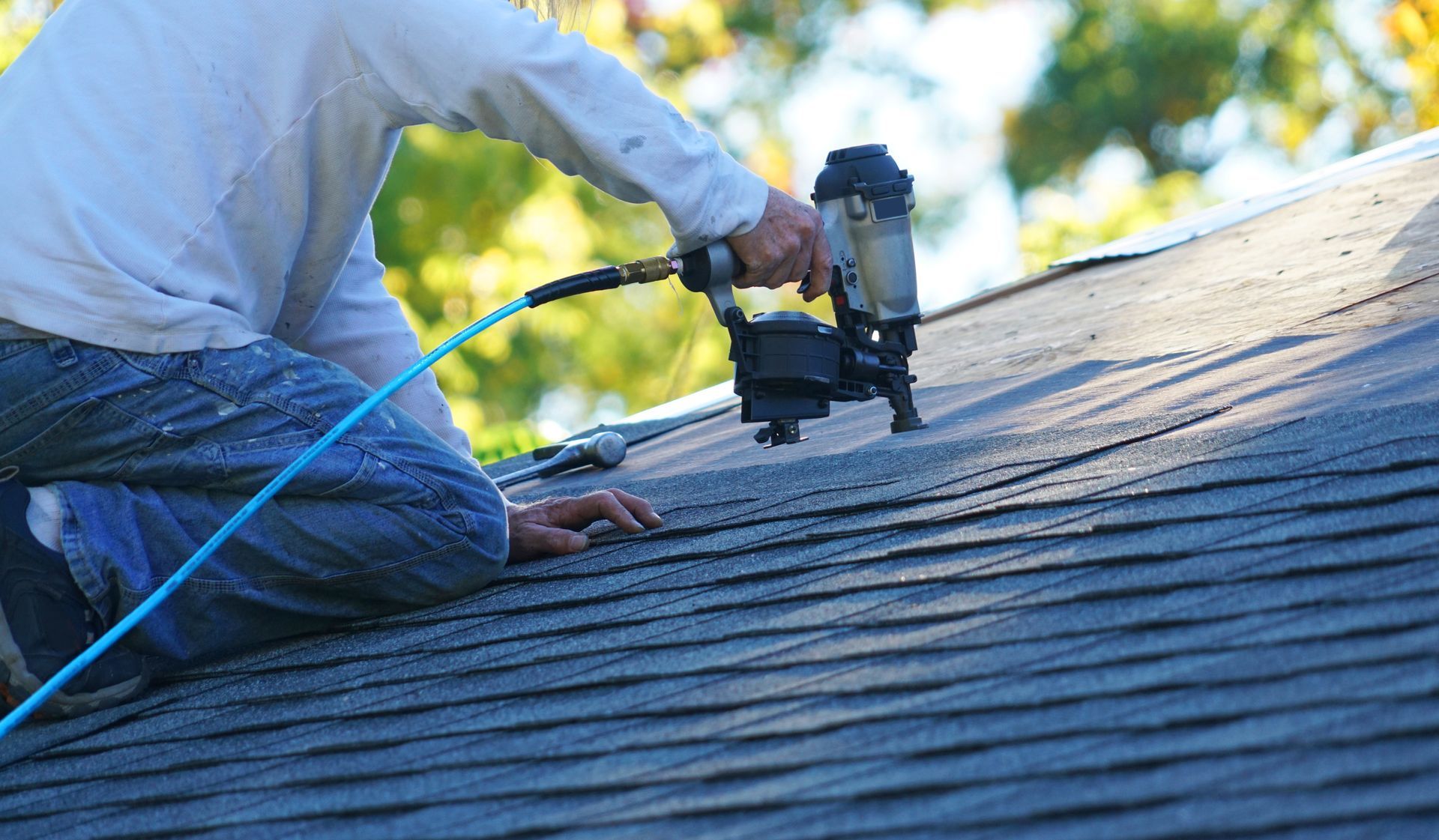
For property owners who prefer professional assistance, a qualified roofing contractor can perform a thorough inspection and address any issues found. Ready Roofing, LLC, located at 5105 Philips Hwy Ste 205, Jacksonville, FL 32207, USA, phone +1 904-404-9849, provides residential and commercial roof repairs, replacements, inspections, and storm damage restoration across Northern Florida.